












Introduction
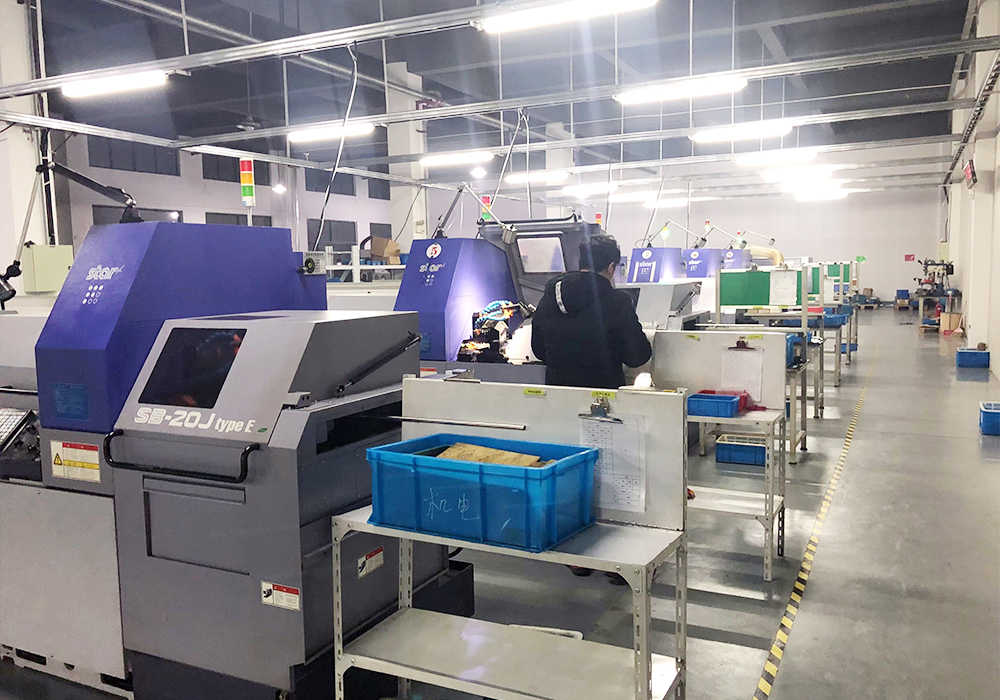
Swiss screw machining, also known as Swiss turning or Swiss-type automatic lathes, has emerged as a vital technology for the production of complex medical and dental parts. This sophisticated manufacturing process is widely sought after for its ability to deliver high-quality, accurate, and cost-effective results. In this article, we'll explore the advantages of custom Swiss screw machining services and their applications in the medical and dental industries.
The Importance of Precision and Quality in Medical and Dental Parts:
Medical and dental equipment demands the highest level of precision and quality to ensure patient safety and effective treatment. Small errors in the manufacturing process can have significant consequences, from device malfunction to patient harm. Swiss screw machining services provide an unparalleled level of accuracy, making it an ideal choice for manufacturing these intricate components.
Advantages of Swiss Screw Machining:
- High Precision and Accuracy: Swiss screw machines are renowned for their ability to produce parts with tight tolerances and exceptional surface finishes. This level of precision is essential for components that require a perfect fit, such as dental implants and surgical instruments.
- Scalability: Swiss screw machines are designed for high-volume production, making them perfect for the mass production of medical and dental parts. Custom Swiss screw machining services can accommodate small batch runs and large-scale orders alike, providing flexibility and efficiency to clients.
- Complexity: Swiss screw machines can handle complex part geometries with ease. Their simultaneous multi-axis machining capabilities allow for the production of intricate components, such as dental drills and endoscopic tools, which would be challenging or impossible to produce using other manufacturing methods.
- Material Versatility: Swiss screw machining is compatible with a wide range of materials, including stainless steel, titanium, and various plastics. This versatility enables manufacturers to choose the most appropriate material for specific medical and dental applications, considering factors like biocompatibility, durability, and corrosion resistance.
- Reduced Production Time: Swiss screw machines can perform multiple operations simultaneously, significantly reducing production time. This efficiency is crucial for clients who require quick turnaround times on their orders, especially in the fast-paced medical and dental industries.

Applications of Swiss Screw Machining in Medical and Dental Industries:
- Dental Implants: Swiss screw machining is used to manufacture custom dental implants, abutments, and other prosthetic components. The high precision of this process ensures optimal fit and performance of the implants.
- Surgical Instruments: Swiss screw machines are utilized to produce intricate surgical instruments, such as forceps, scalpel handles, and needle holders. The accuracy and fine surface finishes achieved through Swiss screw machining contribute to the instruments' reliability and performance.
- Orthopedic Devices: Custom Swiss screw machining services are employed in the manufacturing of orthopedic devices, including bone screws, plates, and rods. The precision and strength of these components are crucial for successful patient outcomes.
- Diagnostic and Analytical Equipment: Swiss screw machining is used to create precision components for diagnostic and analytical devices, such as flow meters, pressure sensors, and fluidic manifolds. These parts must be highly accurate to ensure reliable results in medical testing and analysis.
Conclusion:
Our custom Swiss screw machining services offer significant advantages for the production of complex medical and dental parts. By delivering unparalleled precision, scalability, and material versatility, Swiss screw machines have become an essential resource for manufacturers seeking to meet the rigorous demands of these industries. As technology continues to advance, Swiss screw machining will undoubtedly play a crucial role in the development of innovative medical and dental devices, enhancing patient care and improving overall health outcomes.